There has been interesting discussion lately about the place of “vernacular” photography, and its position (or lack of it) in the “fine art” world.
Ume Kayo fits in here, as a young photographer with a style that I think would be at home on Flickr. She’s had real success in Japan, though: in 2006, she won the Ihei Kimura Award, which recognizes a young photographer and effectively launches their career. Her first book, “Ume-me,” has since gone on to sell over 110,000 copies, and as of today is still given pride of place on publisher Little More’s site.
Here are some samples from “Ume-me.” This kind of work is what’s at stake, no?
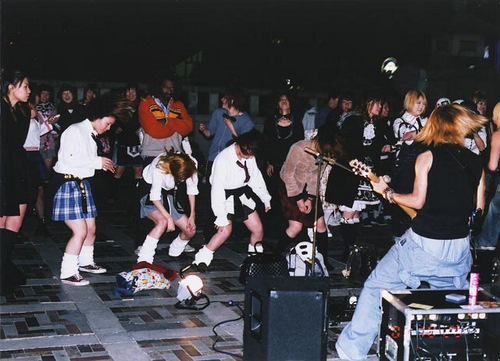
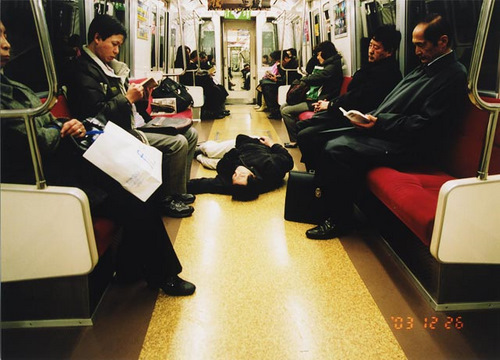
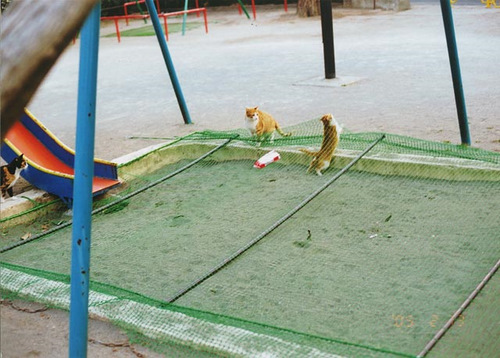
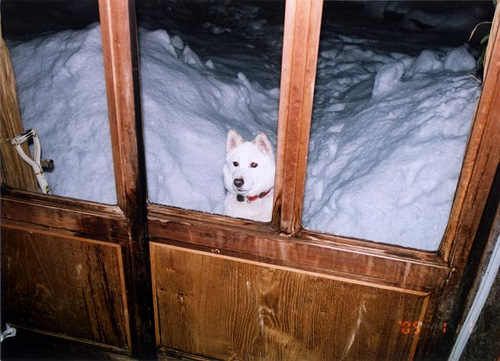
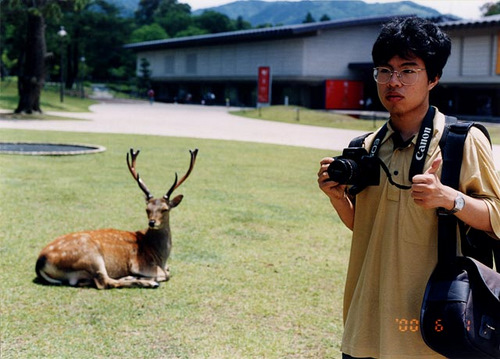
all © Ume Kayo
Is Ume Kayo already known in the US? I have no idea.
“This kind of work is what’s at stake, no? “
Can you clarify this statement? What work in particular?
Ume Kayo’s ability to anticipate a situtation and frame it so perfectly as a photo is a skill just as important as those guys on the other site jabbering away about Serious Work being Conceptual and Deep.